

Choosing Between Braces and Invisalign: A Comprehensive Guide

Updated: Oct 14
Understanding Orthodontic Treatment Options
When it comes to orthodontic treatment, families often find themselves at a crossroads. The choice between braces and Invisalign can be daunting. Each option has its unique benefits and considerations. Understanding these can help you make the best decision for your family's dental health.
What is the Best Age for Braces?
Orthodontic treatment can start at various ages depending on individual needs. The American Association of Orthodontists recommends children have their first checkup by age 7. At this age, early signs of dental issues can be spotted.
Children (7-14 years): This is the most common age range for braces. Children's jaws and teeth are still developing, making it easier to guide teeth into the right position.
Teenagers: Most braces treatments happen during the teenage years when permanent teeth have come in.
Adults: There is no upper age limit for braces. Many adults seek orthodontic treatment to improve their smile and oral health.
Early evaluation helps orthodontists decide if early intervention is needed or if treatment should wait until more teeth have erupted.
How Much Does Invisalign Cost?
Invisalign costs vary depending on the complexity of the case, location, and provider. On average, Invisalign treatment ranges between $3,000 and $8,000.
Factors influencing cost include:
Length of treatment
Number of aligners needed
Whether additional dental work is required
Geographic location and provider experience
Insurance may cover part of the cost if orthodontic treatment is deemed medically necessary. Many providers offer payment plans to make treatment more affordable.
Is Invisalign Good for Adults?
Invisalign is an excellent option for adults who want a discreet way to straighten their teeth. It offers several benefits:
Nearly invisible appearance
Removable aligners for eating and cleaning
Comfortable fit without metal brackets or wires
Invisalign can treat many common orthodontic issues such as crowding, spacing, and mild to moderate bite problems. Complex cases may still require traditional braces.
Adults often prefer Invisalign because it fits better with professional and social lifestyles. Treatment times are comparable to braces, usually lasting 12 to 18 months.
How Do I Choose the Right Doctor?
Choosing the right orthodontist or dentist is crucial for successful treatment. Here are some tips:
Check credentials: Look for dentists with advanced orthodontic training. Sahara Dental has doctors with training and education focused on orthodontics to treat a wide spectrum of orthodontic problems.
Experience with braces and Invisalign: Ask how many cases they have treated and request before-and-after photos.
Consultation: Schedule a consultation to discuss your goals and ask questions about treatment options.
Technology: Providers using digital scans and 3D imaging often offer more precise treatment plans.
Reviews and referrals: Read patient reviews and ask friends or family for recommendations.
A good provider will explain all options clearly and tailor treatment to your needs.
What Should I Expect at My First Dental Visit?
Your first orthodontic visit usually includes:
Initial exam: The doctor examines your teeth, jaws, and bite.
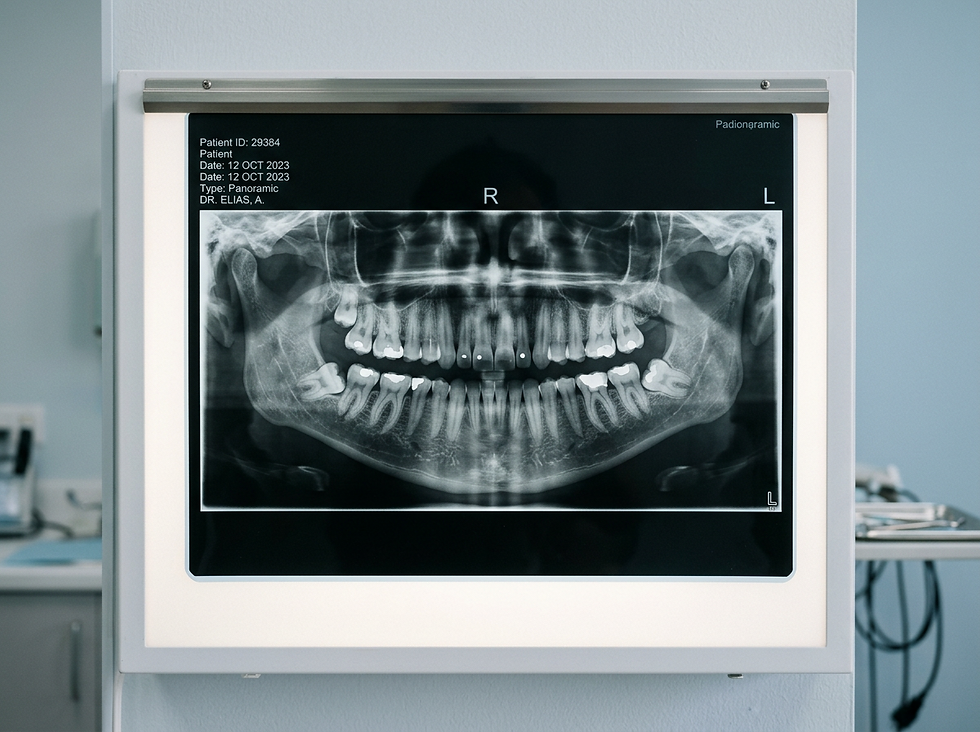
X-rays and scans: These help assess tooth position and jaw structure.
Discussion of goals: You talk about what you want to achieve with treatment.
Treatment plan: The doctor explains options, estimated duration, and costs.
Questions: You can ask about care, lifestyle changes, and what to expect.
This visit helps you understand your options and decide on the best path forward.
Are Braces or Clear Aligners Better?
Both braces and clear aligners have advantages and limitations. The best choice depends on your specific needs.
Braces
Effective for complex cases including severe crowding, bite issues, and tooth rotation.
Fixed to teeth, so no risk of losing them.
Require regular adjustments and can cause some discomfort.
Visible metal brackets and wires.
Clear Aligners (Invisalign)
Nearly invisible and removable for eating and cleaning.
More comfortable with fewer office visits.
Best for mild to moderate orthodontic problems.
Require discipline to wear 20-22 hours daily.
Your dentist can recommend the best option based on your dental condition, lifestyle, and preferences.
Making the Right Choice for Your Family
Choosing between braces and Invisalign depends on many factors, including age, budget, and treatment goals. Early consultation with a qualified orthodontist will help you find the right solution for a healthy, confident smile. Remember, investing in your family's dental health is a step towards a brighter future.
In conclusion, whether you opt for braces or Invisalign, the journey to a beautiful smile is one worth taking. With the right guidance and support, you can achieve the results you desire. Embrace this opportunity for improved oral health and confidence.
For more information on comprehensive dental care, please visit Sahara Dental.

Comments