

Emergency Toothache Relief When You Need a Root Canal
A toothache that wakes you at 2 a.m. is not “just a sore tooth.” When the pain is deep, throbbing, and hard to ignore, the nerve inside the tooth may be inflamed or infected. That is often when a root canal becomes the treatment that can stop the pain and save the tooth.
This article is for information only and does not replace care from a dentist or physician. Dental infections can spread, and severe symptoms need urgent attention.

Why root canal pain can feel so intense
A tooth has several layers. The hard enamel sits on the outside. Under that is dentin, which is more sensitive. At the centre is the pulp, a small space that contains nerves, blood vessels, and connective tissue.
When decay, a crack, or an injury reaches the pulp, the nerve can become inflamed. At first, pain may come and go. Hot coffee may trigger it. Cold water may send a sharp jolt through the tooth. Biting may feel strange.
Once the pulp becomes badly inflamed or infected, pressure can build inside the tooth. Since the tooth cannot swell like skin can, that pressure can feel intense. The pain may spread to the jaw, ear, temple, or neighbouring teeth.
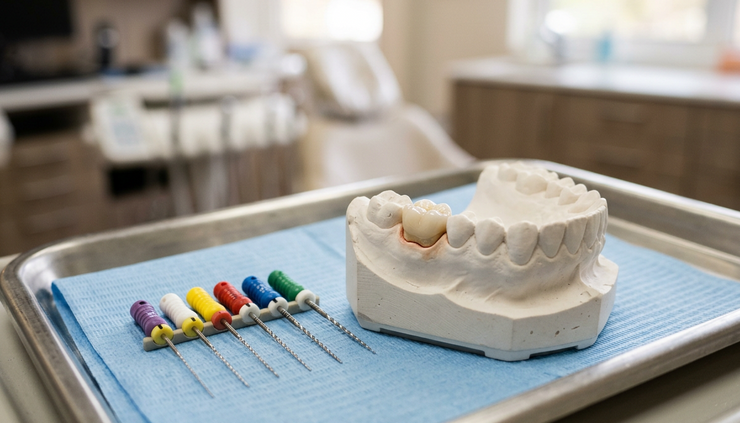
A root canal treats this problem by removing the damaged pulp, cleaning the inside of the tooth, sealing it, and restoring the tooth so it can function again. The goal is not to “kill the tooth” in a careless way. The goal is to remove infected or inflamed tissue and keep the tooth in place.
Signs your toothache may need urgent dental care
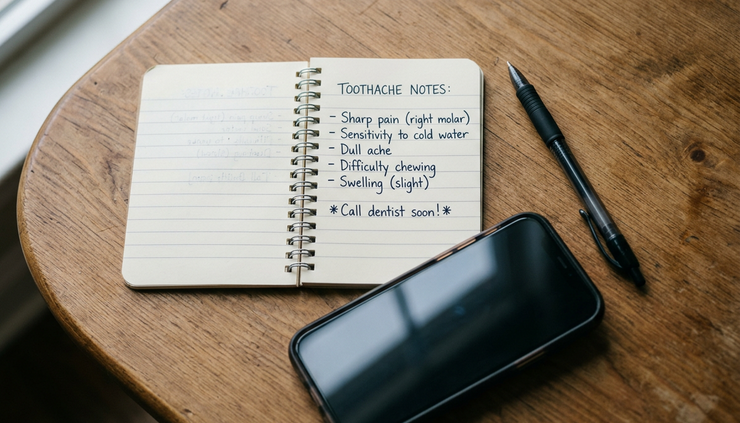
Not every toothache needs a root canal, but certain patterns raise concern. Call a dentist as soon as possible if the pain is strong, persistent, or getting worse.
Common signs include:
Throbbing pain that does not settle
Pain that continues for hours, returns often, or wakes you from sleep needs attention.
Lingering sensitivity to heat or cold
A quick zing from cold can happen with many dental issues. Sensitivity that lingers after the cold or heat is gone may point to pulp trouble.
Pain when biting or chewing
This can happen when the ligament around the tooth is irritated, when a crack is present, or when infection has reached the root area.
Swelling near the tooth or jaw
Swelling can mean infection. It should not be ignored.
A pimple-like bump on the gum
This may be a draining abscess. It can come and go, but the source still needs treatment.
A darkened tooth after trauma
A tooth can change colour after an injury if the pulp has been damaged.
Severe dental pain can also be misleading. Sometimes the tooth that hurts is not the tooth causing the problem. Nerves in the mouth can refer pain to nearby areas, so a professional exam and X-rays are often needed.
What to do right now for short-term relief
Emergency Toothache Relief When You Need a Root Canal starts with reducing irritation and controlling pain until a dentist can treat the cause. Home care does not cure an infected pulp, but it can help you get through the next hours more safely.
Rinse gently with warm salt water
Mix salt into a cup of warm water and rinse gently. Do not swish hard if it increases pain. Salt water can help clear food debris and soothe irritated gums.
Use warm water, not hot water. Heat can make some dental pain worse, especially when pressure is building around an infected tooth.
Floss carefully around the sore tooth
Food trapped between teeth can cause pressure and sharp pain. Gently floss around the sore area. Do not snap floss into the gums. If something is lodged and will not come out, leave it for the dentist rather than digging with a sharp object.
Use a cold compress on the outside of the face
If the jaw or cheek feels sore, place a cold compress on the outside of the face for short periods. Wrap it in a cloth so ice does not touch the skin directly.
Cold can reduce discomfort and may help with swelling. Avoid putting aspirin, ice, or harsh substances directly on the tooth or gums.

Take over-the-counter pain medicine only as directed
Over-the-counter medicines such as ibuprofen or acetaminophen may help dental pain for many adults. Follow the package directions and avoid any medication that is unsafe for you.
Do not take ibuprofen if a health professional has told you to avoid anti-inflammatory medicines, or if it conflicts with your medical history or other medications. Do not exceed the daily limit for acetaminophen, and be cautious because it can appear in cold and flu products too.
If pain medicine barely touches the pain, that is another sign to seek urgent dental care.
Keep your head elevated
Lying flat can increase pressure and make a toothache feel worse. If you need to rest, prop your head up with pillows. This will not solve the problem, but it may make the pain easier to manage overnight.
Eat soft, mild foods
Chew on the other side if you can. Choose soft foods that are not too hot, cold, sugary, acidic, or crunchy. Soup that is warm rather than hot, yogurt, scrambled eggs, oatmeal, and mashed vegetables are often easier than chips, nuts, or crusty bread.
Avoid alcohol as a pain remedy. It can irritate tissue, interact with medication, and delay proper care.
What not to do when the pain is severe
Tooth pain pushes people to try almost anything. Some common “remedies” can burn tissue, worsen irritation, or hide symptoms without treating the cause.
Avoid these choices:
Do not place aspirin on the gum
Aspirin is acidic and can burn the soft tissue. Swallow medication only as directed on the package, if it is safe for you.
Do not use sharp tools to poke the tooth
Toothpicks, pins, and other sharp objects can injure the gums or push debris deeper.
Do not rely on leftover antibiotics
Antibiotics are not painkillers, and they do not remove infected pulp from inside a tooth. Taking the wrong antibiotic, the wrong dose, or an unfinished course can create more problems.
Do not use heat on facial swelling
Heat may worsen swelling in some cases. Use cold externally and contact a dentist.
Do not wait because the pain suddenly stops
A dying nerve can stop hurting for a while. Infection may still be present around the root.
Clove oil is another remedy people ask about. It may numb the area briefly, but it can irritate gums or cause burns if used incorrectly. It is not a treatment for an infected tooth.
When a toothache becomes a true emergency
Some symptoms need urgent medical or dental care right away. Dental infections can spread to the face, neck, and other areas.
Seek emergency care promptly if you have:
Swelling of the face, jaw, eye area, or neck
Trouble breathing or swallowing
Fever or chills
A bad taste with pus or ongoing drainage
Difficulty opening your mouth
Severe pain after a dental injury
Feeling very unwell along with dental swelling
If breathing or swallowing is affected, do not wait for a regular dental appointment. Go to an emergency department or call emergency services.
For pain without these danger signs, contact a dentist and explain the symptoms clearly. Say when the pain started, what triggers it, whether swelling is present, and what medication you have taken. Many dental clinics keep time available for urgent cases.
What happens during a root canal appointment
Root canal treatment is more precise and more comfortable than many people expect. Local anaesthetic is used to numb the area. The dentist or endodontist then works inside the tooth to remove the damaged pulp and clean the canal spaces.
A typical process may include:
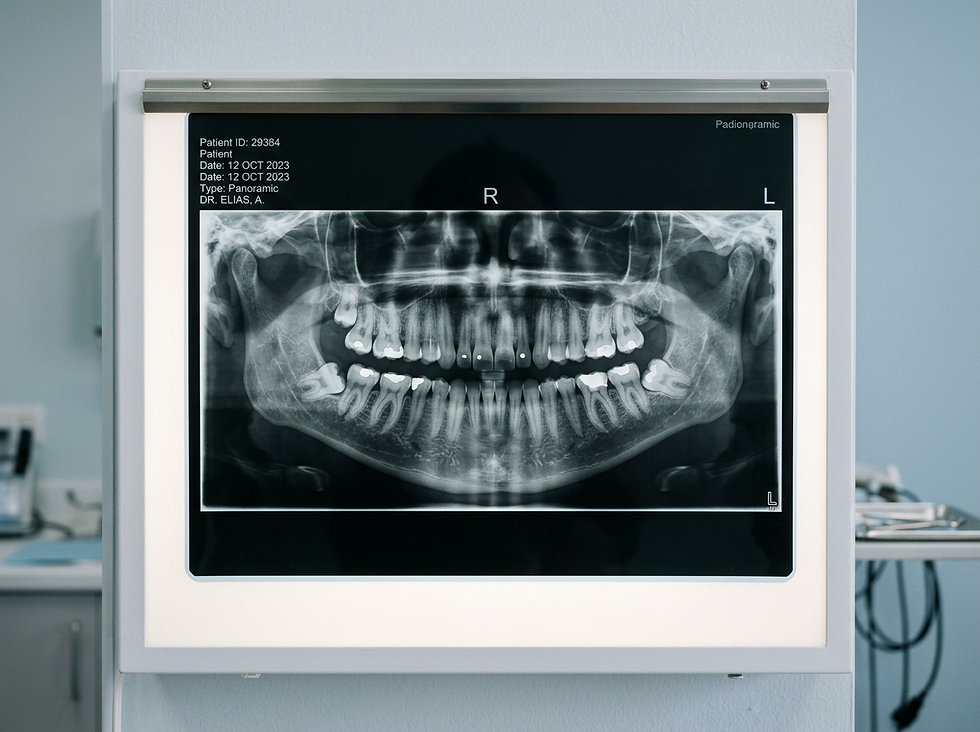
Exam and X-rays
The dentist checks the tooth, surrounding bone, and possible causes of pain.
Numbing the area
Local anaesthetic helps control pain during treatment. If infection is severe, the tooth may be harder to numb, so the dentist may adjust the approach.
Opening the tooth
A small opening allows access to the pulp chamber and canals.
Cleaning and shaping
The damaged tissue is removed, and the canals are cleaned and shaped.
Sealing the canals
The cleaned canals are filled and sealed to reduce the chance of reinfection.
Restoring the tooth
Many root canal-treated back teeth need a crown or strong restoration because they may be weakened by decay, cracks, or previous fillings.
Some cases are completed in one visit. Others need more than one visit, especially if there is swelling, drainage, or complex anatomy.
Pain usually improves once the source of inflammation or infection is treated. Mild soreness after treatment can happen, especially when biting, but it should fade. Severe or worsening pain after treatment should be reported to the dental office.
Why pain relief alone is not enough
Pain is a warning system. Turning down the volume feels good, but it does not repair the tooth.
If the pulp is infected or badly inflamed, the main treatment options are usually root canal therapy or extraction. Pain medication may help for a short time. Antibiotics may be used in certain cases when infection is spreading or there are systemic symptoms, but they do not clean the inside of the tooth.
Leaving the tooth untreated can lead to:
A larger abscess
Bone loss around the root
Swelling that spreads
Loss of the tooth
More complex and costly treatment later
Saving the natural tooth has real benefits when it is possible. A natural tooth helps with chewing, keeps neighbouring teeth stable, and maintains normal bite function. Extraction may still be the right choice in some cases, but it should be a decision made after an exam and a clear explanation of the options.
How to talk to the dentist when you call
A good phone description can help the clinic decide how soon you need to be seen. Keep it clear and specific.
Mention:
When the pain started
Whether it is constant or comes and goes
Whether hot, cold, biting, or lying down makes it worse
Whether there is swelling, fever, or drainage
Which tooth or area seems involved
Any recent dental work or injury
Any medications taken and when
Use a simple pain scale if asked. For example, “It is an eight out of ten and woke me up twice last night” is more helpful than “It hurts a lot.”
If you have medical conditions, allergies, pregnancy, or take blood thinners or other regular medications, share that too. It can affect the safest way to manage pain and infection.
Preventing the next dental emergency
Not every root canal can be prevented. Teeth crack. Old fillings fail. Injuries happen. Still, many severe toothaches start with small problems that grow.
Helpful habits include:
Brush twice daily with fluoride toothpaste
Clean between teeth once daily
Limit frequent sugary snacks and drinks
Wear a mouthguard for contact sports
Ask about a nightguard if you grind or clench
Replace broken fillings or crowns promptly
Keep regular dental exams and X-rays as recommended
Dental problems are often easier to treat before pain starts. A small cavity may need a filling. A deep cavity may need a root canal. An untreated abscess may end in extraction or emergency care.
The takeaway when tooth pain points to a root canal
A severe toothache is your body asking for help. Warm salt water, careful flossing, cold compresses, soft foods, head elevation, and safe over-the-counter pain medicine can help you cope for a short time. They do not fix infected or inflamed pulp.
If the pain is throbbing, lingering, waking you at night, or linked with swelling, call a dentist as soon as possible. If swelling affects breathing, swallowing, the face, or the neck, seek emergency care right away.
The sooner the tooth is assessed, the better the chance of stopping the pain, treating the infection, and saving the tooth.

Comments